
UPCOMING LIVE WEBINAR
The R&D Tax Credit in the Oil and Gas, and Non-Renewable Power Generation Industry
Date and Time: There are no webinars running at this time
R&D Tax Credits: 80% of eligible companies don’t claim! Every year, companies waste thousands or even hundreds of thousands of euros due to simple misunderstandings about the Research & Development (R&D) tax credit. Amended claims can go back several years and in most cases generate considerable refunds for past R&D activities.
WEBINAR DETAILS
Title: The R&D Tax Credit in the Oil and Gas, and Non-Renewable Power Generation Industry
Date: There are no webinars running at this time
Time: There are no webinars running at this time
Cost: FREE
Learning Objectives include:
- An Overview of the Irish R&D Tax Credit framework (Section 766)
- Identify Qualifying Research Activities
- Define the Core Eligibility Criteria
- How to Substantiate Activities through Documentation
- Identify Qualifying Research Expenses
Knowledge Level: Basic*
What we do?

Are You Eligible?

Pass an audit?

Our Difference
- We care about the price – Our rates are the most competitive on the market.
- We care about the risk – We are one of the most cautious, if not the most cautious, R&D tax credit providers on the market.
- We are here to stay – We are one of the largest specialized R&D tax credit firms in Ireland. We exclusively provide R&D tax credit services and take a long-term view.
- We think we’re the best – We do one thing, and we do it better than anyone else because it’s the only thing we do.
Founded in 1984

Cybersecurity Accredited

Risk Management Accredited

| Framework Element | Description | Implication for Clients |
| Six-Eye Review | A mandatory internal review of every claim by a qualified Engineer, Scientist, and Tax Professional. | Ensures the claim is technically valid, financially accurate, and compliant with tax law, maximizing its defensibility. |
| ISO 31000:2009 (Risk Management) | An international certification for the firm’s comprehensive risk management policies and processes. | Provides objective third-party validation of the firm’s commitment to mitigating tax risk for the client. |
| ISO 27001 (Information Security) | A global benchmark standard for establishing and maintaining an Information Security Management System (ISMS). | Guarantees the highest level of protection for sensitive intellectual property and confidential financial data. |
Small businesses in the Oil and Gas sector can significantly benefit from the R&D tax credit by recouping costs associated with developing new technologies, improving drilling methods, or enhancing environmental safety. For startups with low or no Corporation Tax liability, the refundable cash credit is particularly advantageous, allowing qualifying companies to receive the incentive as a direct cash refund from the Irish Revenue Commissioners distributed over three annual instalments. This helps improve cash flow and allows for continued investment in innovation and growth even in the early stages of operation.
Deadline Calculator

Research Grants

Choose your industry
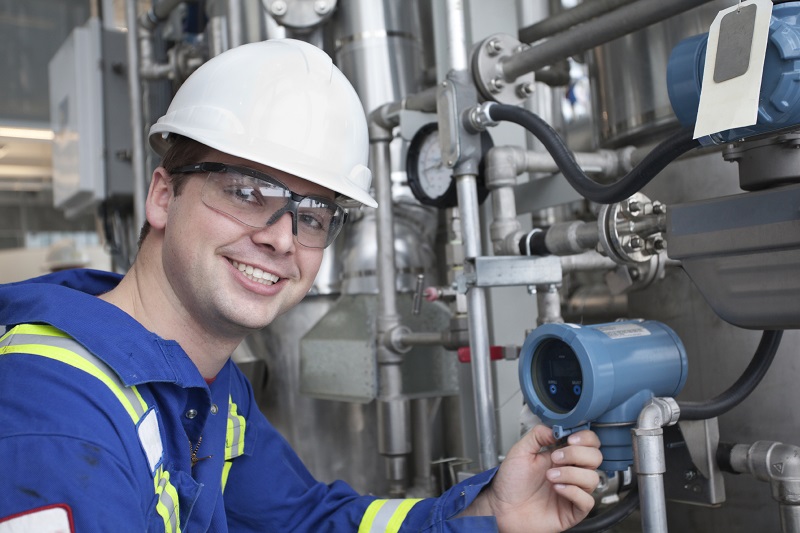
Oil and Gas Case Study
SafeMark Gas Experts, with over 40 years of experience in gas detection, offers safety solutions to companies in the infrastructure and resources sector, maintaining its reputation through constant research and development (R&D) activity. In March 2013, SafeMark identified the need for a guard for detecting flammable materials, leading to the launch of the “Flame Guard” project in April 2013. The project hypothesis was that SafeMark could design an improved guard with innovative features for the detection of flammable materials. To qualify for the Research and Development Tax Credit, SafeMark ensured that its qualifying research met core Section 766 eligibility requirements. SafeMark claimed several activities as R&D work, including the design and development of prototypes to achieve technical objectives, with experiments consisting mainly of computer modeling, conceptual engineering drawings, and mathematical calculations. These experiments were validated during the prototype development and testing phase. Preliminary research to assess knowledge gaps and determine feasibility was also considered qualified, including literature reviews, consultations with industry professionals and suppliers, and preliminary equipment reviews. Continuous analysis of customer feedback to improve prototype design, including efficiency and safety testing, development, modifications, and commercial analysis, was also deemed eligible as R&D. Qualified research for the tax credit aims to achieve a scientific or technological advancement and resolve scientific or technological uncertainty through a systematic process of experimentation. SafeMark maintained comprehensive documentation, such as preliminary research, meeting notes, conceptual sketches, design drawings, and emails, to substantiate its R&D activities and ensure compliance for potential aspect queries or audits by the Irish Revenue Commissioners.
Choose your industry
Agriculture, Farming and Fishing


Automotive

Aviation

Biotechnology

Building and Construction

Robotics and Engineering

Fabrication

Film and Media

Food and Beverage

Lean Manufacturing

Machine Tool and Die

Manufacturing

Maritime and Boating

Mining

Natural Medicine

Oil and Gas

Pharmaceuticals and Life Sciences

Real Estate Development

Software & Artificial Intelligence

Textile, Clothing and Footwear

Theme Parks

Transportation

Water Conservation

Zoo and Wildlife
